
telecom cabinet
Inquiry label only. Confirm volts, amperes, enclosure, quantity, and destination in the form. An empty image means no photo is on file for this label.
INQUIRY ROWS
These rows are labels for a switching power supply factory comparison. A row does not mean a module is in a warehouse, and it does not name an authorized channel. Search and the category control stay inside this list.
Inquiry options
Inquiry label only. Confirm volts, amperes, enclosure, quantity, and destination in the form. An empty image means no photo is on file for this label.
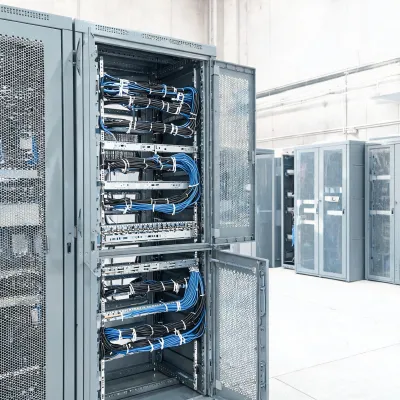
Inquiry label only. Confirm volts, amperes, enclosure, quantity, and destination in the form. An empty image means no photo is on file for this label.
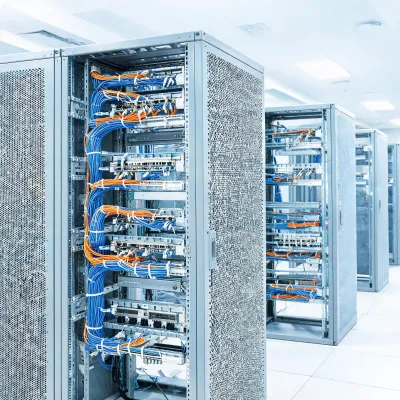
Inquiry label only. Confirm volts, amperes, enclosure, quantity, and destination in the form. An empty image means no photo is on file for this label.
No inquiry option matches that search or category.
A switching power supply factory label on this page is a starting name. The supplier still has to name the maker, the model, and the datasheet revision. A 12 V brick and a 24 V brick can share a 10 A figure and still fail in different radios.
Ask whether the input is 100-240 VAC or a -48 VDC plant feed. Frequency range, when the input is AC, is usually a 50 Hz and 60 Hz question. Write the inlet: IEC 60320 C14 is a common enclosed-brick question, not a rating this desk assigns. A hardwired lug is a different line from a detachable cord.
Output capacity should show volts, amperes, and watts together. 12 V times 10 A is 120 W. 24 V times 10 A is 240 W. If the sheet lists a peak current above the continuous current, ask for the time limit in seconds. A peak number without a time is not a second watt rating.
Cooling changes the usable load. A fan-cooled brick and a convection brick can share a nameplate and diverge at 50 °C. Ask for the derating curve. Airflow direction matters in a sealed shelter. Ingress protection stays blank until that model states a code. Runtime stays blank unless a UPS is on the same purchase.
Rack unit height matters for a shelf, not for every brick. One rack unit is 44.45 mm. A 1U shelf of 44.45 mm will not accept a taller module because a photo looked compact. Open-frame boards need the host chassis. Do not paste an enclosed-brick safety file onto a bare board.
Monitoring, if present, should say local meter, dry contact, or a network controller. A digit window is not remote monitoring. Measurement accuracy of that meter needs the meter sheet. Calibration traceability is a document request, not a mark this page prints. Power over Ethernet remains a switch-port load. Switching capacity remains a fabric figure. Neither belongs in the watt cell.
New and refurbished condition, remaining warranty months, and connector mating cycle are separate cells. A refurbished module can be discussed when the buyer wants legacy fit, and a new module can be discussed when the buyer wants a clearer support path. This page does not pick a side. Quote rows lists the cells to align, and the RFQ form is where the brief is sent.
Hold-up, if you need it, is a millisecond question at rated load. Ripple is a millivolt peak-to-peak question at a stated bandwidth. Efficiency, if compared, needs the load point, such as half load, and should be written as a percent on the supplier sheet rather than assumed here. Installation environment should say indoor rack, outdoor cabinet, or a hot aisle. The note dated 2026-10-27 in the buyer archive uses the same split.
QUALIFIED BUSINESS BUYERS
Factory replies are lined up after the supply configuration is written down.
Eligibility applies to qualified business buyers and is confirmed after we review your product, quantity, destination, and sourcing requirements.